







Do you know about Cannabidiol (CBD)? If not, then this article is for you. Read this article completely to get to know about this. Click here to Buy CBD Edibles Online.
What is CBD?
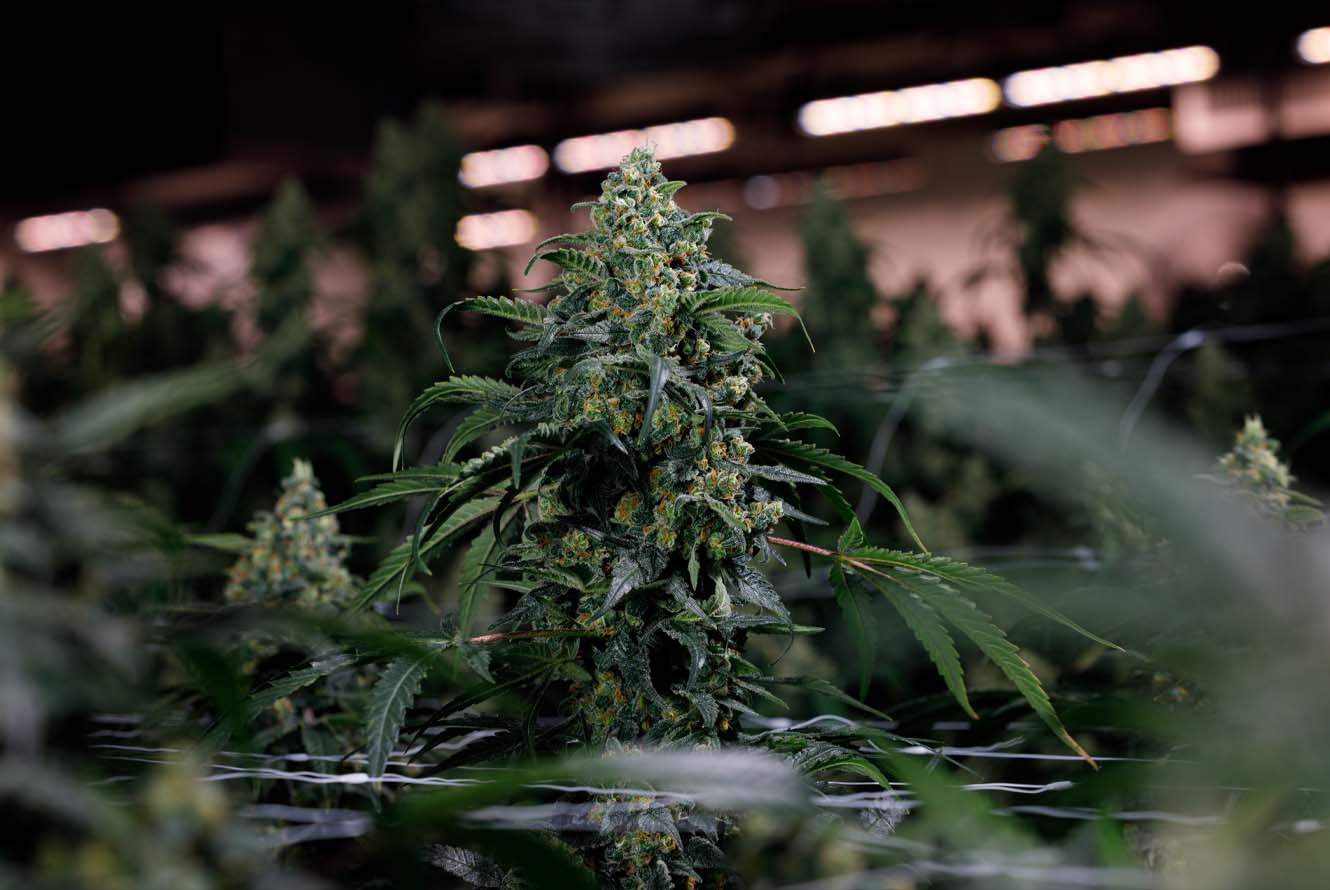
The hemp plant, domesticated more than 6000 years ago in China, produces more than 400 organic compounds. The two main groups of molecules with bioactive properties in hemp are terpenes and cannabinoids – CBD belongs to the latter category. Visit this site to Buy CBD Edibles Online.
Cannabinoids are compounds that influence the human nervous system through the endocannabinoid system (SEC). The hemp plant contains dozens of cannabinoids, THC, CBD and CBG being the most common. They differ in their chemical structure and effects.
CBD is considered to have many therapeutic applications and is also consumed as a daily dietary supplement to promote homeostasis. While it is beneficial for general wellbeing, CBD does not have the psychotropic properties of its cousin, THC.
How does the CBD work?
The human nervous system is composed of a large number of receptors. Receivers are like antennas for mobile phones that transmit signals. An antenna-relay for mobile phones accepts electromagnetic waves as a signal, while the receivers use specific molecules to transmit the messages.
The endocannabinoid system (SEC) is one of these receptor systems. SEC receptors are located in the human brain and in the peripheral nervous system – the spinal cord and the nerves – among others. In the brain, receptors are located in areas responsible for perception, concentration, memory, and movement. That’s why the SEC is involved in the regulation of many physiological processes, including pain, mood and appetite.
The two main SEC receivers are CB1 and CB2. These receptors bind to molecules produced in the body and known as endocannabinoids. 2-Arachidonoylglycerol (2-AG) is a major endocannabinoid that binds to CB1 and CB2 receptors. CBD, a phytocannabinoid (derived from plants), does not bind directly to these receptors, but it is able to replicate some of the effects of 2-AG.
CBD appears to have antispasmodic, antipsychotic, anticonvulsant and neuroprotective properties. It can also help relieve the stress of everyday life and make the nervous system more resilient.
Biology and chemistry of CBD
Wild or natural Cannabis sativa plants are sources of a variety of organic compounds, including THC and CBD. Like all other domesticated plants that have been selected to produce specific molecules in large quantities, Cannabis sativa has been selectively replicated to meet different purposes. As a result, the original plant was separated into distinct cultivars, with different qualities. Hemp has been selected for industrial applications and to produce high levels of CBD and trace amounts of THC.
THC and CBD are closely related to plant compounds called terpenes and terpenoids (oxygen-denatured terpenes), such as limonene and menthol and curcuminoids in turmeric and mustard seeds. Terpenes are an extensive group of organic molecules widely used in traditional cooking for their aromatic qualities. They also play a leading role in traditional herbal remedies.
THC and CBD are produced by the same biosynthetic pathway. In other words, they have the same precursor molecule, cannabigerolic acid or CBGA. When the precursor is available, an enzyme, CBDA synthase, produces an additional ether linkage and transforms CBGA into CBDA. Following decarboxylation, it is converted into CDA. In the parallel pathway, THCA synthase converts CBGA into a precursor of THC, THCA.