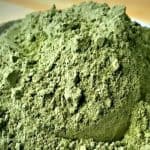









Sciatica is a debilitating condition caused by compression or irritation of the sciatic nerve, resulting in radiating pain, numbness, and weakness along the lower back, buttocks, and legs. In Singapore, individuals suffering from sciatica have access to a range of pain care options, encompassing both conventional and alternative treatments at pain care for sciatica singapore.
Medical Consultation: The first step in managing sciatica is seeking medical consultation. A visit to a general practitioner for pain care for sciatica singapore or a specialist such as an orthopaedic surgeon or neurologist can help diagnose the underlying cause of sciatica and guide appropriate treatment.
Medication: Pain management medications such as nonsteroidal anti-inflammatory drugs (NSAIDs), muscle relaxants, and analgesics may be prescribed to alleviate sciatic pain and reduce inflammation. In some cases, corticosteroid injections directly into the affected area may provide temporary relief from severe pain.
Physical Therapy: Physical therapy is a crucial component of sciatica treatment. A qualified physiotherapist can design a personalized exercise program to strengthen the muscles supporting the spine, improve flexibility, and alleviate pressure on the sciatic nerve. Manual therapy techniques like massage and spinal manipulation may also be employed to relieve pain and improve mobility.
Acupuncture: Acupuncture, an ancient Chinese practice involving the insertion of thin needles into specific points on the body, is widely utilized in Singapore for pain management, including sciatica. Proponents believe that acupuncture helps restore the body’s balance and promotes natural healing mechanisms, leading to reduced pain and improved function.
Chiropractic Care: Chiropractic treatment focuses on spinal manipulation and adjustments to realign the spine and alleviate pressure on the sciatic nerve. Chiropractors in Singapore often incorporate other modalities such as soft tissue therapy and exercise prescription to enhance treatment outcomes for sciatica patients.
Yoga and Pilates: Yoga and Pilates are low-impact exercise modalities that emphasize strength, flexibility, and body awareness. Practising yoga or Pilates under the guidance of experienced instructors can help improve posture, alleviate muscle tension, and reduce sciatic pain over time.
Heat and Cold Therapy: Applying heat or cold packs to the affected area can provide temporary relief from sciatic pain. Heat therapy helps relax tight muscles and improve blood circulation, while cold therapy reduces inflammation and numbs the affected area, offering pain relief.
Lifestyle Modifications: Making certain lifestyle modifications can complement other treatment modalities and promote long-term management of sciatica. This may include maintaining a healthy weight, practising good posture, avoiding prolonged sitting or standing, and using ergonomic furniture and supportive footwear.
Surgery: In cases where conservative treatments fail to provide adequate relief or there is severe nerve compression causing debilitating symptoms, surgery may be recommended as a last resort. Common surgical procedures for sciatica include discectomy and spinal decompression to alleviate pressure on the sciatic nerve.